
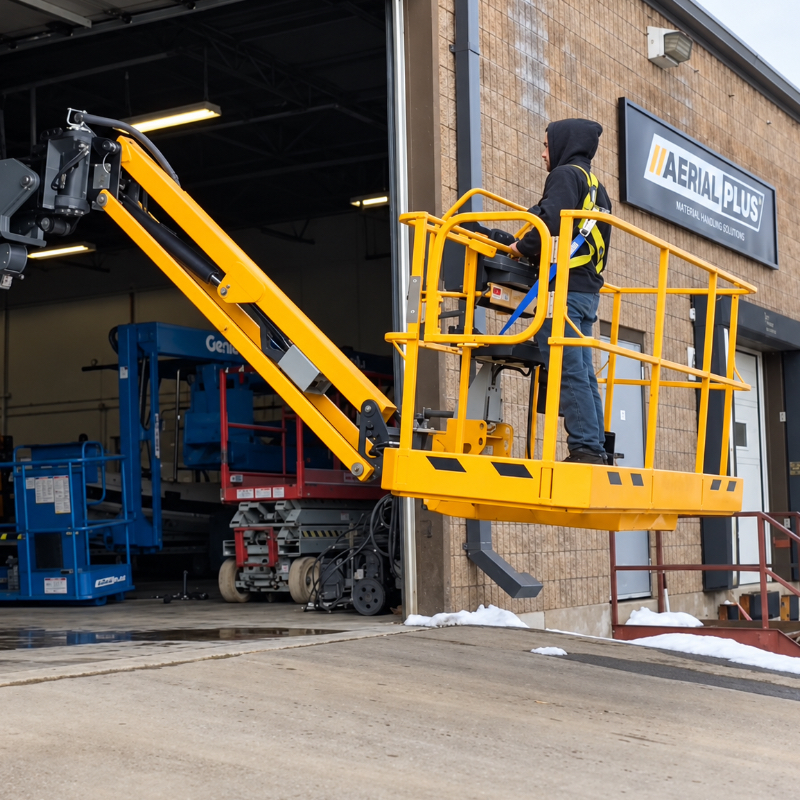
Aerial Boom Maintenance Tips+
5 min read90 views
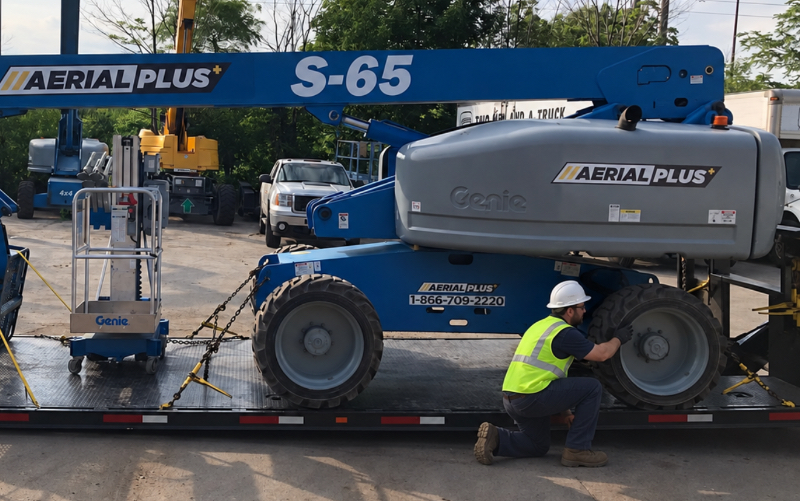 It’s important to perform regular maintenance on boom lifts because it helps you catch problems before they put the machine out of service. A broken down boom can become a huge problem that can affect everyone waiting to finish their work.
Repairs and scheduled maintenance should be handled by a qualified technician and operators should only carry out routine maintenance tasks that the manual permits and that they’re trained to perform.
The Basics of Boom Lift Maintenance
Inspect the Boom Lift Before Each Shift
First, before work is going to start, walk around the machine to complete the manufacturer’s pre-operation inspection. Each model has it’s own instructions for pre-operation inspections, but you should always check underneath it for fresh leaks and damage that may have occurred during delivery or the previous shift.
A proper visual inspection should include checking:
- Hydraulic hoses, fittings and cylinders for leaks or damage.
- Tires and wheels for cuts, damage and loose or missing fasteners.
- Boom sections and welds for cracks, dents or other damage.
- Pins and retaining hardware for missing or damaged components.
- Platform guardrails, the entry gate and fall protection anchor points.
- Electrical cables and battery connections for visible damage or corrosion.
- Safety decals are readable and the operator’s manual is available on the lift.
Test the Controls Before Using the Lift
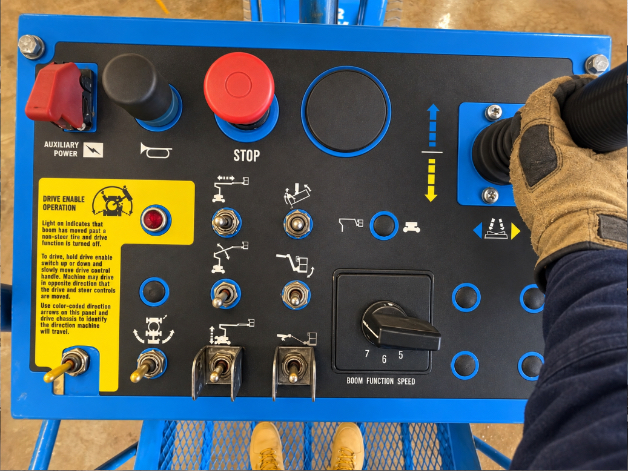 After the visual inspection, begin doing the function tests that are described in the operator’s manual. Do these tests in a suitable area that’s clear of people and obstructions. These tests check the platform’s controls, emergency stops, movement functions and applicable safety devices.
If any of the tests fail or a safety device does not work properly, tag the machine and remove it from service until the issue is rectified. Make sure you do not bypass a switch or alarm to keep working.
Check Fluid Levels
Follow the specified machine’s position and temperature requirements, and then check hydraulic oil level, and on engine-powered models check the engine oil and coolant as directed by the manual.
Use only the specified fluids and make sure to keep any dirt or debris away from filler openings. If you see a level keeps dropping, have the cause checked instead of continually topping it up because there could be a leak present.
If there’s a fluid leak, the machine needs to be put out of service until it’s repaired. Safety is the priority so keep your hands away from any suspected pressurized leaks, and leave diagnosis and repairs to a qualified technician.
Check the Condition of the Batteries and Keep Them Charged
On an electric boom lift simply follow the charging instructions for its battery type and only use the approved charger. Charge in a well-ventilated area and check the charging cable for any damage before connecting it.
Battery care depends on what is installed. Flooded lead-acid batteries may require distilled water according to the manual. Sealed and lithium batteries have different requirements also, so do not assume every battery needs topping up.
If you find that the lift no longer holds its usual charge or does not charge fully, report it because the batteries, the connections or the charger may need to be serviced.
Keep the Platform and Inspection Areas Clean
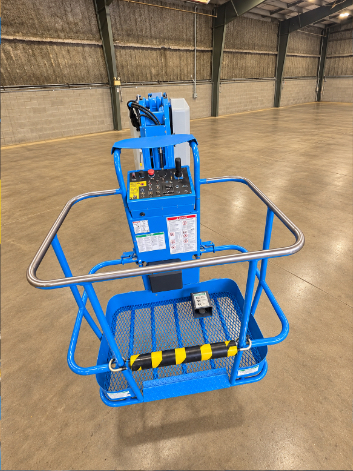 To ensure the platform and inspection areas are clean, remove any loose materials, mud and other debris from the platform and access steps. If the platform is not clean and declutterred it creates tripping hazards and can make it harder to reach the controls.
Keep safety decals visible and clean accessible inspection areas so damage and fresh leaks are easier to spot. Follow the manufacturer’s cleaning instructions to protect electrical components and other sensitive parts.
Shut down and secure the machine as instructed before cleaning. Do not reach into moving parts or work beneath an unsupported boom.
Follow the Service Schedule for Your Machine
To determine when service is required, refer to the maintenance manual that matches the lift’s model and serial number, along with the engine manufacturer’s requirements where applicable.
Service intervals depend on the machine’s operating hours, the elapsed time, or both (which ever comes first). You should make sure to track both so a machine with low hours does not miss a service that is due by a specific date.
Depending on the model, the scheduled work may include:
- Engine oil, filter and cooling system service.
- Hydraulic oil checks and filter replacement.
- Lubrication at the specified points using the correct lubrication products.
- Inspection of the wear pads, bearings and extension components.
Your technician will complete the maintenance work and record the date, hour-meter reading, and other work performed for future reference.
Report Any Problems You Find
 Reporting problems early helps prevent future issues and keeps the next operator from unknowingly using faulty equipment.
Simply note any unusual noises, warning codes, leaks you find or changes in how the machine is operating. In your reporting, make sure to include the model, serial number and hour-meter reading and any other specific details that could help the technician identify the problem.
If you’re renting a boom, contact the rental company to arrange repairs or replacement parts.
Take note that any equipment with damage or failed safety functions must remain out of service until it’s repaired, inspected and function-tested as required.
Get Help With Boom Lift Maintenance
If you’re in the GTA and require aerial lift maintenance and repairs, we can perform the service at your location or at our Burlington facility. Call us today to discuss your needs and arrange service so we can get your machine up and running again.